Understanding Sports Broadcasting Basics
What is Sports Broadcasting?
Sports broadcasting refers to the transmission of sports events via various media channels such as television, radio, and online platforms. It aims to provide real-time coverage, analysis, and commentary to viewers and listeners, making sports more accessible to the general public. By informing and entertaining fans, sports broadcasting plays a vital role in the sports industry, enabling athletes, teams, and leagues to connect with their audiences.
The accessibility of Sports Broadcasting has evolved tremendously since its inception. It allows fans not only to observe the action but also to immerse themselves in the entire sporting experience. From intricate storytelling to high-definition visuals, broadcasting has transformed how fans consume sports content.
The Evolution of Broadcast Technologies
Over the decades, broadcasting technologies have undergone significant transformations. The first sports broadcasts appeared in the form of radio broadcasts in the early 20th century, allowing fans to hear the action unfold through play-by-play action. As technology progressed, the introduction of television in the mid-1900s revolutionized sports broadcasting. Fans could now visually experience games, enhancing their engagement and connection with sports.
In recent years, the emergence of digital platforms, including streaming services, has further changed the landscape, allowing fans to watch games on demand. High-definition (HD) broadcasts, 4K resolutions, and multi-camera angles offer unprecedented levels of detail, immersing viewers in the action like never before. With the introduction of mobile applications, fans now have many choices to access live sports from anywhere, marking the advent of a new era in sports broadcasting.
Core Elements of a Broadcast
To deliver captivating sports broadcasts, several core elements come into play. These include:
- Content: The actual sports event being covered, including game highlights, player statistics, and real-time commentary.
- Production Quality: The technical aspects of production, including sound, camera work, and graphics, all contribute to the viewer’s experience.
- Commentary: Expert analysis and play-by-play narration engage audiences, providing context and insights into the unfolding events.
- Viewer Interaction: Opportunities for viewers to engage through social media, polls, and chats enhance the overall experience, enabling fans to become a part of the event.
Key Roles in Sports Broadcasting
Behind the Scenes: Producers and Directors
The backbone of any successful sports broadcast lies in its production team. Producers oversee the entire operation, ensuring that the broadcast aligns with the strategic vision, timelines, and budgets. They coordinate between various departments, making critical decisions that can influence the viewer’s experience.
Directors play a crucial role by managing the visual storytelling of the broadcast. They decide camera angles, graphics, and sequences to highlight key moments in the game. A well-trained director can make or break the broadcast by effectively capturing the emotions and excitement of the events in real-time.
On-Air Talent: Announcers and Commentators
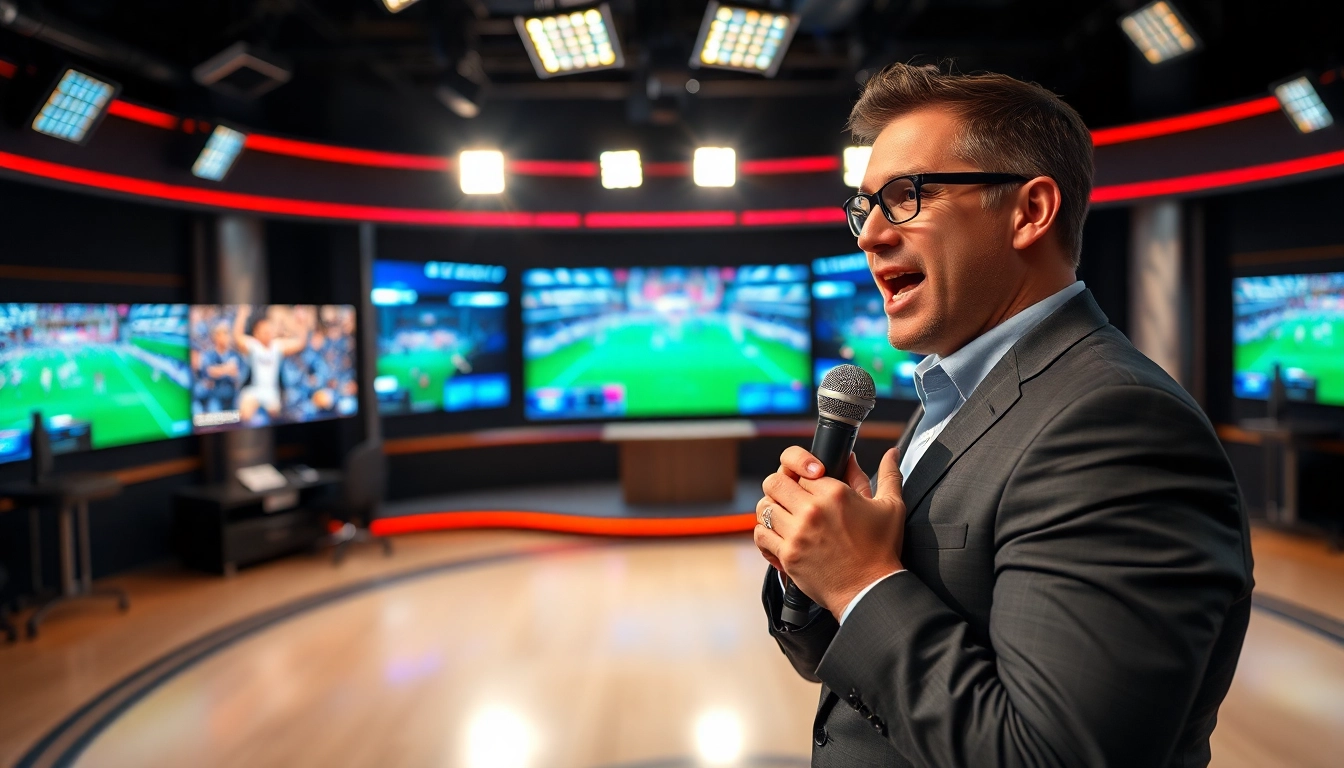
Announcers and commentators are the voices that bring the sports experience to life for viewers. These professionals possess a deep knowledge of the game and the ability to convey emotions through their commentary. They connect with audiences and build narratives around the unfolding action, providing context and background that enhances viewers’ understanding and enjoyment of the game.
Great on-air talent not only offers play-by-play coverage but also engages in color commentary, providing insights into strategy, player performance, and historical context. Their analysis can significantly influence how fans perceive the game and can lead to increased viewer satisfaction and loyalty.
Technical Crew: Camera Operators and Technicians
No broadcast would be complete without the technical crew that operates the necessary equipment to deliver high-quality visuals. Camera operators capture the action from various angles, ensuring that viewers have a comprehensive view of the event. They work closely with the director to switch between cameras and deliver the most dramatic and informative shots.
Technicians ensure that all equipment operates smoothly. They handle audio and visual technology, ensuring clean sound and clear visuals. Their expertise is especially crucial during live broadcasts, where there are no opportunities for retakes.
The Impact of Social Media on Sports Broadcasting
Engaging Audiences Through Digital Platforms
In today’s digital age, social media has become an essential component of sports broadcasting. Platforms like Twitter, Facebook, and Instagram allow networks and teams to engage with audiences in real-time, providing updates, behind-the-scenes content, and interactive experiences. Sports broadcasters utilize these platforms to share highlights, live content, and news related to events, driving engagement and building a sense of community among fans.
Moreover, social media enables broadcasters to cater to specific audience preferences. By analyzing user interactions, networks can tailor their content to resonate with diverse fan bases, enhancing the overall viewer experience. This agile approach also enables broadcasters to respond quickly to fan feedback and capitalize on trending topics.
Real-Time Interactions and Fan Engagement
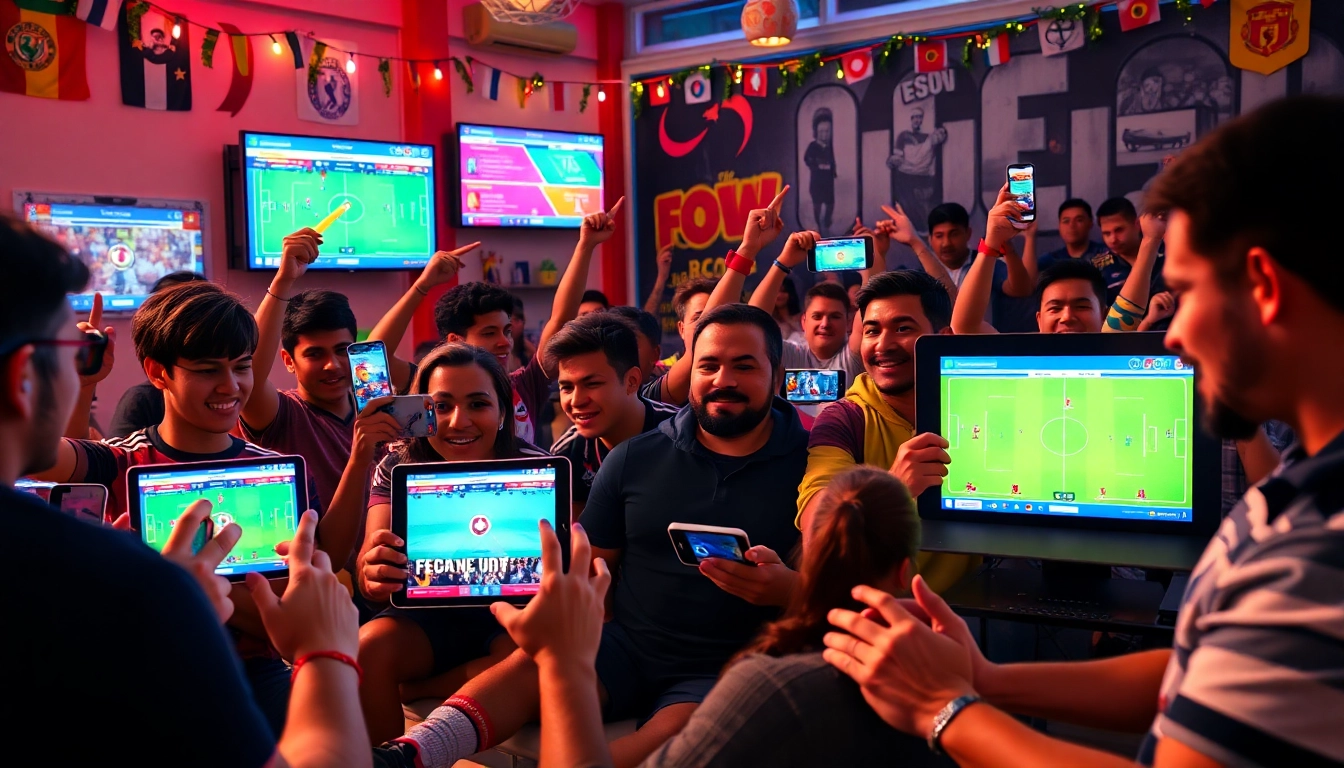
Social media’s interactive nature fosters real-time conversations between fans and analysts. During broadcasts, viewers can engage by tweeting questions, opinions, or predictions, providing broadcasters with an immediate pulse on audience sentiments. This interaction creates a dynamic viewing environment where fans feel connected, valued, and heard.
Real-time engagement has also prompted broadcasters to incorporate live polls and social media comments into their programming. This innovative approach creates a more immersive experience and allows audiences to actively participate, transforming passive viewing into an engaged community activity.
The Role of Influencers in Broadcasting
Influencers and prominent personalities in sports have become essential allies for sports broadcasters. By partnering with these individuals, networks can leverage their reach and credibility to attract wider audiences. Influencers often share their thoughts, predictions, and insights on social media, significantly impacting how fans engage with broadcasts.
Moreover, influencers can provide unique vantage points and connect broadcasters with different demographics. They act as conduits between traditional broadcasts and modern audience demands, further enriching the viewing experience through interactive content and guest appearances during live broadcasts.
Best Practices for Effective Sports Broadcasting
Preparing for Live Events
Preparation is key to executing a successful live sports broadcast. The production team should conduct extensive research on the teams, players, and match context to inform their commentary and storylines. Detailed plans should include not only what will be discussed during broadcasts but also contingencies for unexpected events, ensuring a seamless flow of content.
Moreover, rehearsals help the technical crew practice their roles, iron out potential issues in equipment operation, and ensure that all elements of the broadcast align with the intended vision. This level of preparedness is crucial in live settings, where timing and execution are critical.
Strategies for Clear Communication
Clear communication is vital in sports broadcasting for effectiveness and comprehension. Commentators should avoid jargon that might confuse viewers, opting instead for straightforward language that resonates with a broad audience. The use of visuals to complement verbal commentary can enhance understanding, especially for complex plays or strategies.
Regular updates during fast-paced action, such as injury reports or strategic changes, can help keep audiences informed without overwhelming them. By employing strategic pauses and pacing, broadcasters can maintain clarity while allowing viewers to digest the information.
Maintaining Viewer Engagement
Engaging viewers is essential for broadcasters striving to retain audiences. Aid in this effort by generating content that resonates, offers unique perspectives, and sparks discussions. Personalized viewer experiences are on the rise; utilizing analytics to grasp viewer preferences is beneficial.
Engaging graphics, polls, and interactive segments during broadcasts can further keep viewers invested. Tailoring content to viewer interests through viewer polls or audience questions can strengthen bonds with fans, reinforcing loyalty and encouraging return viewership.
Future Trends in Sports Broadcasting
Emerging Technologies Shaping the Industry
The future of sports broadcasting is undoubtedly technology-driven. Emerging technologies, such as artificial intelligence (AI), enhance how content is created, delivered, and consumed. AI can analyze large datasets, enabling broadcasters to predict viewer preferences and optimize program schedules accordingly.
Additionally, machine learning algorithms allow for improved targeted advertising, delivering personalized experiences tailored to individual interests, increasing the effectiveness of marketing campaigns within broadcasts.
The Rise of Augmented and Virtual Reality
Augmented Reality (AR) and Virtual Reality (VR) are set to redefine how audiences experience sports. AR offers opportunities to enhance physical broadcasts with digital overlays, providing viewers with informative graphics, player stats, and live updates that can be customized based on user preferences.
VR takes this concept further by creating immersive environments where fans can virtually attend games, experiencing them as if they were physically present. The convergence of these technologies promises to create entirely new viewing experiences, allowing deeper interaction with the content and increased fan engagement.
Globalization of Sports Broadcasts
With the rise of online platforms, sports broadcasting is becoming increasingly global. By streaming content internationally, broadcasters can reach fans across various regions, expanding their audiences. The globalization of sports broadcasts brings fans closer together, with diverse cultures and competitions showcased, fostering a sense of unity and shared experience among sports enthusiasts.
This trend also presents unique challenges in managing broadcasting rights, adhering to regulations across countries, and accommodating diverse viewer preferences in programming. However, the benefits of reaching broader audiences and diversifying content offerings outweigh the challenges, as sports continue to enjoy transcultural appeal.
FAQs
- What are the main technologies used in sports broadcasting?
Modern sports broadcasting employs HD cameras, satellite feeds, and streaming technologies for live event delivery, enhancing viewer experience. - How do commentators prepare for a live sports event?
Commentators research teams and players and develop structured outlines to ensure they convey informative insights during the broadcasts. - What role does social media play in sports broadcasting?
Social media enhances fan interaction, enabling real-time discussions, updates, and community building during broadcasts. - How can I become a sports broadcaster?
To become a sports broadcaster, pursue a journalism or communications degree and acquire experience through internships and on-air practice. - What are the future trends in sports broadcasting?
Key trends include increased use of virtual reality, personalized broadcasts, and enhanced interactivity for viewers.